“DISTRIBUTECH 2026 showcased the future of energy, where innovation meets resilience. As the grid evolves into a digital powerhouse, the stakes for cybersecurity have never been higher. Here’s what we learned about protecting critical infrastructure in this new era.”
The energy sector stands at a turning point. As utilities race toward digital transformation—embracing data-driven operations, distributed resources, and unprecedented connectivity—they also face new vulnerabilities. Every step forward for innovation and efficiency introduces fresh cybersecurity challenges. For those managing critical infrastructure, enhancing security is no longer optional. It’s vital to build resilience with defense layers that actively reduce risk.
Why Hardware-Enforced Security?
Software-Only Measures Leave Gaps
- Expanding complexity: Legacy OT systems are now connected to IT networks and the cloud for real-time analytics and operational gains.
- Advanced threats: Cyberattackers, including sophisticated groups and ransomware operators, continue to find and exploit vulnerabilities in software-based protections like firewalls and VPNs. Misconfigurations or missed updates can have big consequences.
- Learning from experience: In 2025, a North American utility dealt with a near miss—a misconfigured firewall allowed malware to breach a control system. Only hardware-enforced segmentation stopped the threat from spreading further, proving the value of added physical barriers.
What Makes Hardware-Enforced Data Diodes Stand Out?
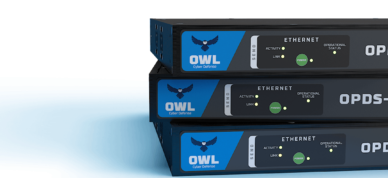
Data diodes establish a physically enforced boundary between secure OT environments (like substations and control centers) and external IT or cloud networks. Instead of relying solely on software rules, they use hardware to allow data to flow only one way—outbound from OT—and never in, preventing command signals or malware from entering critical systems.
- How it works: Data passes from secure OT environments to IT or cloud platforms, but there’s no return path, helping safeguard critical assets even if outside networks are breached.
- Key benefits include:
-
- Consistent, reliable segmentation: Hardware-enforced diodes ensure critical networks remain isolated from inbound threats, regardless of software changes or configuration errors.
-
- Safe data sharing: Operations teams can confidently send telemetry and operational data to analytics platforms, enabling modernization without increasing risk.
-
- Regulatory confidence: Auditable, physical controls demonstrate proactive security to regulators and insurers.
Five Takeaways From DISTRIBUTECH 2026
The Grid Is Becoming a Data and AI Platform
- With rapid adoption of AI for grid planning and management, utilities face more data flows than ever.
- Key Takeaway: Each new data connection is a possible entry point for threats—hardware-based boundaries play a crucial role in securing these routes.
DER and Electrification Are Expanding the Attack Surface
- The growth of distributed energy resources, electric vehicles, and remote operations brings more endpoints and complexity.
- Key Takeaway: With a more dynamic and dispersed grid, robust segmentation is needed to prevent threats from traveling laterally across networks.
IT/OT Convergence Is Real—and Demands Careful Management
- Integrating IT and OT offers unified monitoring and improved incident response but introduces risks if not done thoughtfully.
- Key Takeaway: Visibility and data sharing should not undermine the separation and protection of operational technology.
Firewalls Alone Are Not Enough for Zero Trust
- Common tools like firewalls and VPNs depend on perfect configuration and constant oversight.
- Key Takeaway: True Zero Trust embraces the idea of “assume breach.” Hardware-enforced solutions offer a dependable way to strengthen segmentation and enforce secure boundaries, even if software fails.
Hardware-Enforced One-Way Paths Support Grid Resilience
- More industry leaders are turning to data diodes for secure OT-to-cloud, OT-to-AI, and remote operations integrations.
Real-World Impact
- Reduce the likelihood and scale of shutdowns from cyber incidents.
Provide tangible proof of robust network segmentation to regulators and stakeholders.
Empower modernization and digital transformation without compromising safety.
Real-World Example
A major European transmission operator turned to Owl Cyber Defense for hardware-enforced segmentation after facing multiple malware-related outages. Since deploying hardware solutions, the company has seen no sign of cyber incidents crossing from IT to OT. Data transfer for analytics and compliance has improved, enabling continued grid modernization while minimizing risk.
Read more use cases
Looking Ahead
Grid modernization isn’t just about new technologies or software upgrades. It’s about building a security foundation capable of adapting to tomorrow’s threats.
- Is your network relying only on software defenses, or are you adding hardware controls that attackers can’t reprogram remotely?
- Are you integrating resilience into your projects from day one?
With Owl Cyber Defense, you can move forward confidently—knowing your most critical systems are protected with proven, hardware-enforced security trusted by organizations worldwide.
Ready to strengthen your grid’s security?
Book a meeting with our team of experts.
Learn more about delivering critical infrastructure cybersecurity for a resilient, future-ready grid.